
 Dennis Osadebe
 Getty Photographs
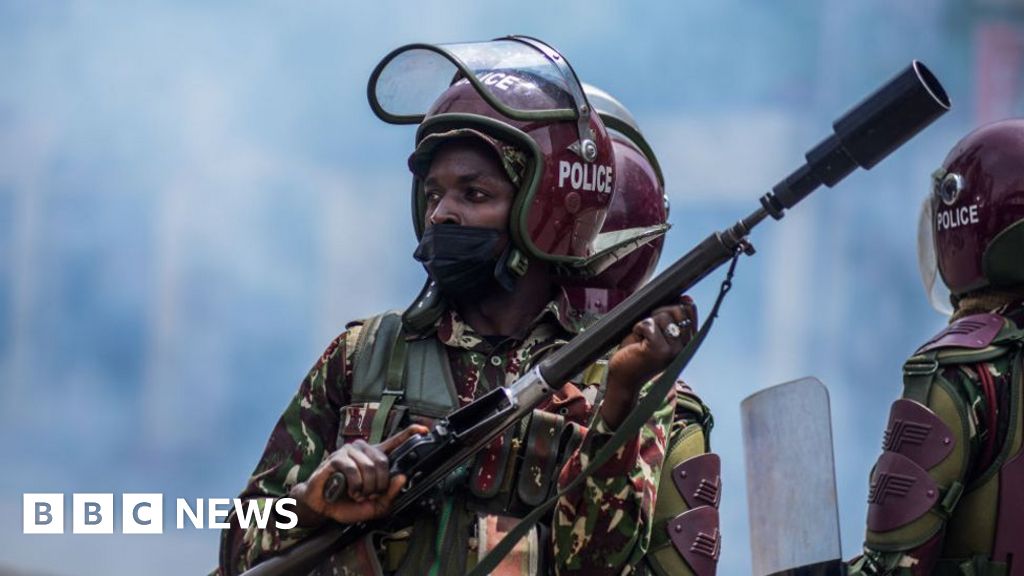
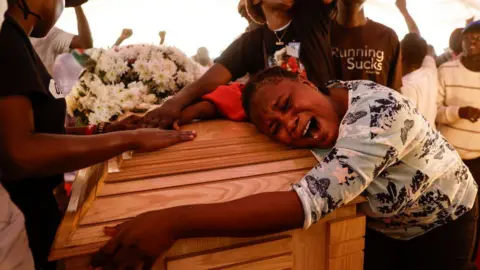
The new tide of the deaths of dozens of public in Kenya, as police cracked unwell on protests countrywide, started with the taking pictures of 30-year-old Rex Masai.
The killings have additional eroded what minute accept as true with there was once within the police to uphold sequence. And as a pristine layout of protests is set to start out, there are issues over how the protection forces will reply.
WARNING: This piece incorporates descriptions of violence that some readers might in finding distressing.
20 June noticed the second one generation of demonstrations towards a finance invoice that was once going to boost pristine taxes. The former generation of motion were with out primary incidents, however as solar eager on that Thursday one thing modified within the middle of the capital, Nairobi.
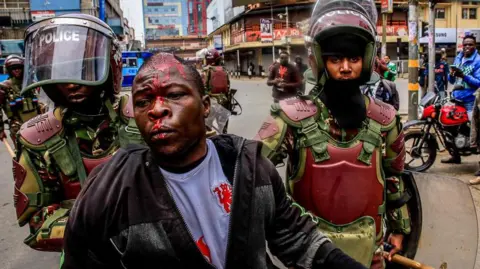
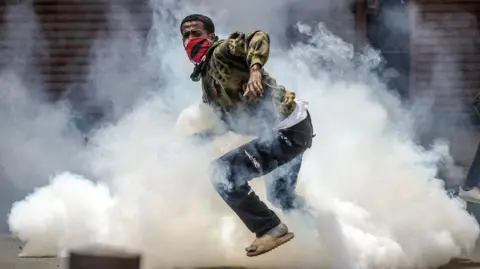
The protesters turned into extra defiant. Cops switched from the use of H2O cannon and tear gasoline to firing are living bullets.
Mr Masai were given stuck on the improper finish of that. He was once shot within the thigh and bled to dying.
“His blood was all over my hands,” says his pal, Ian Njuguna, who on a tight schedule to effort and support him when he fell to the grassland.
However as he and every other pal attempted to hold him to a close-by medical institution “the officer tear-gassed us [as] we were carrying our dying friend”.
“We were frantically trying to speak to him, pleading with him not to leave us.”
No less than 4 cops thus far are to stand prosecution for taking pictures and killing protesters over the terminating 4 weeks, amid emerging requires justice for sufferers of the alleged over the top importance of pressure.
However the investigations had been difficult.
“We have encountered non-cooperation from the police and to a certain level some intimidation even to our officers,” John Waiganjo, a commissioner from the Distant Policing Oversight Authority (IPOA), advised the BBC.

 Getty Photographs
However the investigation into the killing of Mr Masai has no longer but resulted within the get started of a prosecution, as investigators search to bundle extra proof and report statements.
Mr Waiganjo didn’t remark in this particular case however defined that once investigating trauma or dying the IPOA wishes data on the place the weapons concerned have been from and the identification of the officials allegedly concerned.
The BBC has verified a video filmed round the similar date and most likely the similar park that Mr Masai was once killed, appearing what seems to be a plain-clothes police officer taking pictures at a public of protesters who have been absconding alongside a side road.
Mr Njuguna says he concept his pal was once profiled by way of the officer who shot him as a result of he had dreadlocks.
“He was accused of stealing a phone. There was a shop that was looted. So, they thought he was one of the looters, so they shot him – because of what? Dreadlocks,” he tells the BBC, sounding angry and frustrated.
On the night he was killed, Mr Masai’s family says the doctor who pronounced him dead confirmed there was a bullet lodged in his thigh, with a wound visible on one side but no exit wound on the other.
“When I got to [where he died], I asked the medics to uncover my son’s body,” his mom, Gillian Munyao, advised the BBC a generation later the incident. She noticed the place the bullet had entered his leg.
After the autopsy, the family and friends of Mr Masai were shocked to learn that bullet could not be found in his body. They suspected that it was removed at some point.
When the BBC told Mr Waiganjo of the allegation of a lack of physical evidence, he was not surprised, given the IPOA’s own challenges securing items to aid their investigations.
This can derail the quest for justice despite the IPOA’s powers to compel institutions to hand over any vital information.
The BBC contacted acting head of police Douglas Kiricho for a response to the allegations of obstructing investigations and of using excessive force against protesters.
While he acknowledged the request and instructed the police spokesperson to respond to our specific questions, no response had been received by the time of publishing this story despite multiple reminders.
 AFP
The conduct of police has left many Kenyans with little faith in the system.
It is unsurprising that the IPOA says it has struggled to get witnesses to record statements in Mr Masai’s case or the others, as people are often scared to come forward. The IPOA is using allegations shared on social media of killings, arbitrary arrests and abductions to initiate investigations.
Looking across the weeks of protests as a whole, BBC Verify has found dozens of videos which appear to show what activists and the police oversight body say would amount to excessive use of force and violations by the police as they quelled the protests.
The BBC has managed to verify the locations and time the incidents that took place by comparing landmarks we can see in the video with Google Street View imagery and satellite maps, local media reporting and other videos showing the same events.
The videos range from shooting at unarmed protesters, beatings with batons, attacks on people offering first aid, attacks on journalists and abductions.
In one video filmed along next to the Parliament buildings a protester is seen walking towards the police with his arms raised. Moments later, shots ring out.
We later see him being bundled into the back of a police vehicle, with wounds on both legs, screaming.
“I haven’t done anything, I haven’t burned any vehicle… they have shot me for nothing,” he says, as he shows the wounds on his legs.
“It is not justified to use live fire or even rubber bullets on people who are unarmed, and essentially not confronting the police violently,” says Irungu Houghton, the executive director of the Kenyan branch of rights group Amnesty International.
He argues that there’s a sunny criminal framework for policing within the nation. “You can’t go more than one page without reading the words human rights and service to citizens.”
But he reckons the problem is deep-rooted in the system: “Rather than de-escalating conversations, or essentially facilitating peaceful protests, what we’ve seen is an attempt to try and block peaceful protests. And that’s where things break down.”
He argues that policing can paintings if the management is sunny that the function of the police is to de-escalate tensions.
“If demonstrations are peaceful, the police are not supposed to use any tear gas canisters or water cannons, or even live bullets,” Mr Waiganjo says.
Their function is to lead protesters alongside an agreed-on trail, and “can only use firearms when a person’s life is in danger”.
Requested if she was once assured justice can be served, Mr Masai’s mom mentioned: “You know how government works here but let me trust for the best.”
“I’d say to the police, in the upcoming protests, they are parents just as we are. The pain we feel should be theirs. We won’t take revenge. We leave it to God.”
Extra BBC tales at the protests in Kenya:
 Getty Photographs/BBC













