
 Dennis Osadebe
 BBC
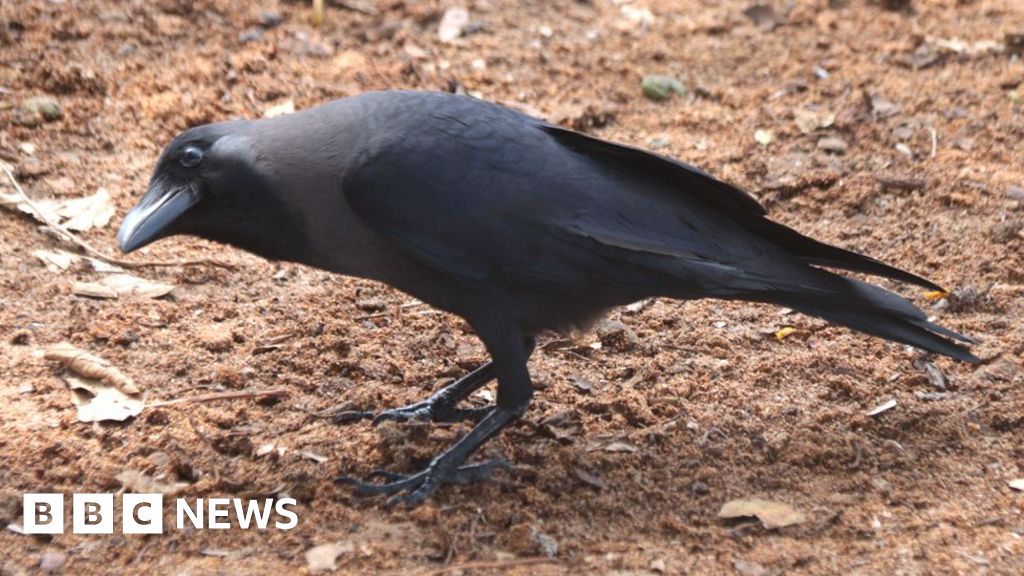
“Invasive alien birds” sounds just like the strapline to a frightening Hollywood blockbuster however for the society of coastal Kenya it’s not a question of myth.
The government there are so apprehensive in regards to the nuisance created through Indian space crows that they’ve begun the method of culling one million of them.
They’ve now not centered people, as within the Alfred Hitchock horror movie The Birds, however those ones have for many years brought about prevalent disruption, through preying on natural world, raiding vacationer subjects and attacking poultry farms.
Poison is now being old within the cities of Watamu and Malindi to execute the primary tranche of the cruel sub-species.
This enthusiastic poisoning marketing campaign is aimed toward halting the crows’ walk in opposition to the capital, Nairobi.
The birds, recognized at the coast as “kunguru” or “kurabu”, originated from Republic of India and alternative portions of Asia, frequently spreading in other places through travelling on buying and selling ships.
However they’re believed to were deliberately presented in East Africa round Eighteen Nineties in a bid to take on a mounting misspend defect at the Zanzibar archipelago, upcoming a British protectorate. From there, they unfold to the mainland and up the coast to Kenya.

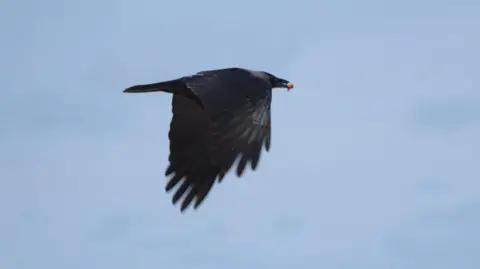
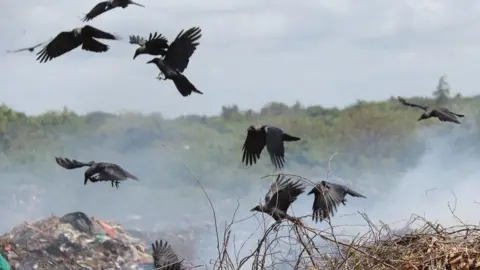
They had been first recorded within the port of Mombasa in 1947 and because upcoming, their numbers have exploded, because of the rising human public and the accompanying mounds of garbage, which grant a super shape for the birds to feed and breed. Additionally they haven’t any herbal predators.
The Indian space crows, regarded as one of the most global’s maximum invasive and harmful birds, have persevered their northward exit.
“They prey on the indigenous species, not just birds but also mammals, reptiles – and so their impact on biodiversity is devastating,” Jaap Gijsbertsen, a Dutch fowl skilled, who’s visiting Kenya’s Watamu branch, instructed the BBC.
Conservationists say that the crows have considerably decreased the collection of tiny indigenous birds within the pocket, equivalent to weavers and waxbills, through ripping their nests aside presen concentrated on eggs or even chicks.
“When the population of local birds declines, the environment begins to suffer. There will be a possible increase of harmful pests and insects that the birds prey on,” Lennox Kirao, a analysis scientist with conservation crew A Rocha Kenya, stated.
Additionally they injury plants, farm animals and chickens.
“They pounce on chicks and eat them like madmen. These are not normal birds, they act wildly,” stated Eunice Katana, a resident of Takaye village in Kilifi county.
They’re additionally recognized to virtue a novel pitch to keep up a correspondence misery – or after they spot a prey, consistent with Mr Kirao.
The birds have defaced homes in Mombasa through defecating at the partitions and roofs, presen many society shy clear of sitting underneath tree sunglasses for worry of being dirtied through their droppings.
“These crows rise early and interrupt our sleep with their annoying squeals and cawing,” Mombasa resident Victor Kimuli instructed the BBC.
Given these types of problems the government felt they needed to occupation and attempt to halve the Indian space crow public via poisoning, which started on Tuesday.
This follows months of consultations with environmental professionals, conservationists, population leaders and representatives from the lodge business, the Kenya Natural world Carrier (KWS) stated.
“We are trying to get their population down to a controllable number,” stated Mr Kirao.
The culling procedure comes to months of pre-baiting – the place the birds are inspired, via retirement meat out, to pack at diverse playgrounds alike their roost websites.
“We then poison them after pulling together the highest number in the baiting sites,” Eric Kinoti, an respectable from the A Rocha Kenya, stated.
An avian poison known as Starlicide is to this point the one recognized substance that has proved efficient in lowering crow numbers, with out affecting alternative birds or animals.
Alike to two,000 crows had been killed in 2022 all through efficacy assessments performed at the poison through Modest Kenya Areas, the corporate approved to import the poison, Cecilia Ruto, proprietor of the company, stated.
“The slow-acting poison is entirely metabolised by the crow before it dies – which means, there is little risk of secondary poisoning to any other species that feeds on the dead crow,” Ms Ruto added.
There are recently 2kg (4.4lb) of the poison within the nation which is estimated so as to execute about 20,000 crows within the ongoing eradication. However there are plans to import extra from Untouched Zealand.
Its virtue in Kenya has, then again, raised moral issues from animal and fowl rights activists, who argue that poisoning the crows is inhumane and that supplementary and non-lethal forms will have to be explored.
“Mass poisoning is a short-term solution that does not address the root cause of the problem,” stated Leonard Onyango, an environmentalist.
“There is a need to look at sustainable, humane approaches to manage the crow population,” he added.
However the ones concerned within the programme emphasise the will to give protection to local species and assure ecological steadiness.
“If we do nothing now, the damage could become irreversible,” stated Mr Kirao, who’s concerned within the culling programme.
This isn’t the primary future the federal government has initiated plans to keep an eye on invasive fowl species.
The former effort greater than twenty years in the past decreased the fowl public, however the executive nearest prohibited the importation of Starlicide in an struggle to keep watch over what was once getting into the rustic.

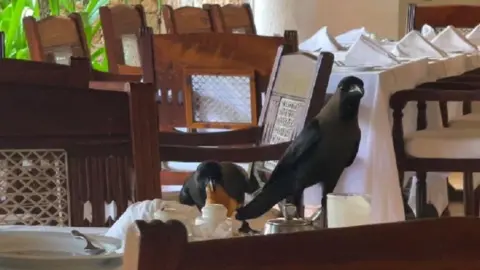
With the exception of unload websites, vacationer inns have grow to be the crows’ favorite hang-out, the place they flock eating subjects, disrupting visitors as they revel in their foods, lodge house owners have complained.
“The crows have actually grow to be a large hassle to visitors who seek advice from our inns to revel in their foods outdoor the tropical seashores,” Maureen Awuor, the Kenya Association of Hotelkeepers and Caterers chairperson, said.
Some hotels trap and suffocate the crows, while others have hired staff with catapults to scare them.
But trapping is said to be ineffective as the birds are intelligent enough to avoid areas where they witness other crows dying or being trapped.
Despite the huge numbers which are planned to be culled, the authorities feel that they have no choice, especially now that there are concerns that the crows could spread inland.
The birds have been spotted in the Mtito Andei area – about 240km (150 miles) from the capital, Nairobi, conservationists say.
“My greatest worry is, if we don’t do the rest now, the crows will achieve Nairobi. This will likely pose a superior blackmail to birdlife within the nation, particularly on the Nairobi Nationwide Landscape,” Mr Kirao said.
More BBC stories on Kenya:
 Getty Pictures/BBC













