
 Dennis Osadebe
 Stanis Bujakera
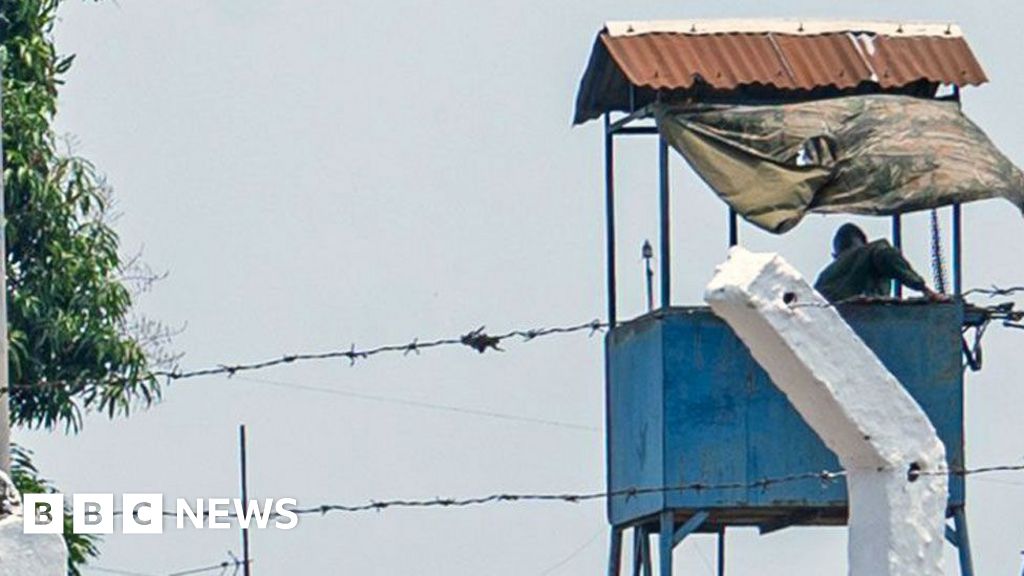
In making an attempt to explain Makala Jail – the scene of a catastrophic and failed breakout this month within the Democratic Republic of Congo – two public who’ve been within impaired the very same oath: “hell”.
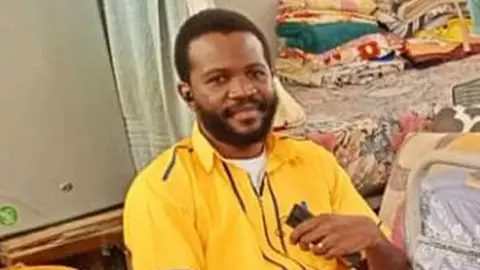
“Makala is a true hell,” Stanis Bujakera, a former inmate and journalist, instructed the BBC about DR Congo’s greatest prison.
Bujakera was once despatched to the infamous Makala Jail in September utmost moment, nearest the government accused him of writing an editorial that alleged the army had been concerned with an opposition baby-kisser’s demise. He spent six months there.
“Makala is not a prison, but a detention centre resembling a concentration camp, where people are sent to die,” he stated.
The jail, positioned in capital town Kinshasa, has a capability of one,500 prisoners however is estimated to stock round 10 occasions extra.
This cramped community levels from petty criminals to political prisoners to murderers.
Human rights teams have lengthy complained of the dire situations Makala inmates face, together with overcrowding, unsubstantial meals and beggarly get admission to to scrub H2O.
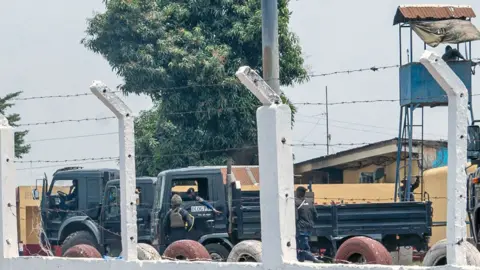
Following a emergency on the facility previous this month, those situations were thrust into the highlight as soon as once more.
Nearest lots of inmates attempted to fracture out of Makala within the early hours of Monday morning, 129 prisoners misplaced their lives, Internal Minister Jacquemain Shabani stated.
Two quantity had been shot lifeless as they attempted to depart, Mr Shabani reported, however maximum had been suffocated in a weigh down.

 EPA
4 surviving inmates instructed the Brandnew York Occasions that previous to the depart struggle, prisoners have been held in stifling cells with out working H2O or the electrical energy to energy fanatics for greater than a day-and-a-half.
Some prisoners had first of all damaged out to depart the warmth, they stated.
Bujakera stated those situations had been some distance from ordinary – faucets “constantly” run sun-baked at Makala, hour “electricity is random, leaving the detainees without light for days on end”.
“Inmates are literally abandoned to their fate, exposed to overcrowded and unsanitary conditions that foster contamination and the spread of disease,” he added.
Prisoners die “every day” in consequence, Bujakera stated.
Rostin Manketa, govt director of Congolese human rights team L. a. Voix des Sans Voix, stocks a alike account.
He has visited Makala a number of occasions and concluded that after an individual has been despatched to Makala Jail, “it seems like [they] have been sent to hell”.
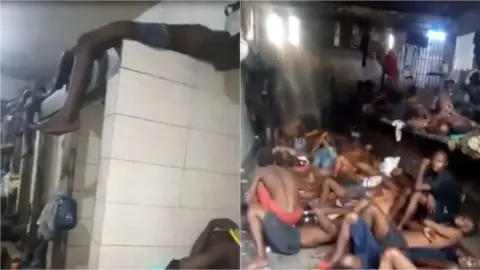
Stark movies filmed through Bujakera throughout his occasion in Makala display dozens of drowsing males, packed tightly in combination at the flooring of an overflowing room.
Their limbs overlap, and in a graceful balancing operate some males amusement atop the partitions that divide bathe stalls.
 Stanis Bujakera
Situations are higher in Makala’s VIP category, a distant pavilion that best the minority can manage to pay for – you get a mattress and extra length, for instance.
Bujakera was once requested the pay $3,000 (£2,280) to stick in VIP, however he controlled to get this value slashed to $450 (£340) for his keep.
He instructed the BBC: “Economic inequalities between inmates create a hierarchy… the poorest are abandoned to their fate.”
What’s extra, wardens at Makala have tiny presence. Legislation and sequence within the jail is successfully delegated to the inmates themselves.
“Prisoners manage themselves,” Fred Bauma, a human rights activist who was incarcerated in Makala from March 2015 to August 2016, told BBC’s Focus on Africa podcast this week.
“It’s such as you’ve modified nations and there’s a untouched govt and you wish to have to be told the ones regulations.”
This system of self-government is dysfunctional and leads to “damaging energy dynamics, acts of violence and conflicts between inmates”, Bujakera said.
But Makala is not alone with its abysmal conditions – prisons all over the country are chronically underfunded and overcrowded.
According to the World Prison Brief project, DR Congo’s jails are the sixth-most overcrowded globally.
The authorities have acknowledged this problem on a number of occasions. Following Monday’s jailbreak, Deputy Justice Minister Samuel Mbemba blamed magistrates for prison overcrowding, noting that “even mere suspects are despatched to jail”.
Many inmates have not actually been sentenced for a crime but are instead held in jail for months – or years – while waiting to be tried.
The food in DR Congo’s prisons has also been criticised widely.
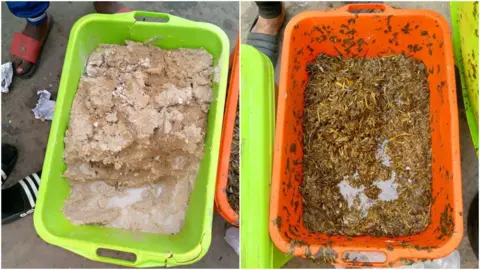
In Makala, inmates get only one meal per day – and this dish is often of limited nutritional value.
Pictures taken by Bujakera show a tub of maize meal – a staple carbohydrate in DR Congo – turned hard and dry, accompanied by a watery brown vegetable stew.
 Stanis Bujakera
In order to avoid malnourishment, many prisoners rely on their relatives to bring food into them.
However, not everyone has these connections.
In 2017, a charity reported that at least 17 prisoners starved to death following food shortages in Makala.
Mr Manketa said it was “imaginable” that Makala’s testing environment led to the tragic attempt to escape.
To avoid a repeat, the authorities should build new prisons and improve existing ones, he argues.
Bujakera, who is now based in the United States, said this change must happen swiftly.
It is a “unwell” justice system, he lamented, and as Monday’s disaster demonstrated, people are dying while waiting for a cure.
Extra reporting through the BBC’s Emery Makumeno in Kinshasa.
More BBC stories from DR Congo:
 Getty Pictures/BBC













