
 Dennis Osadebe
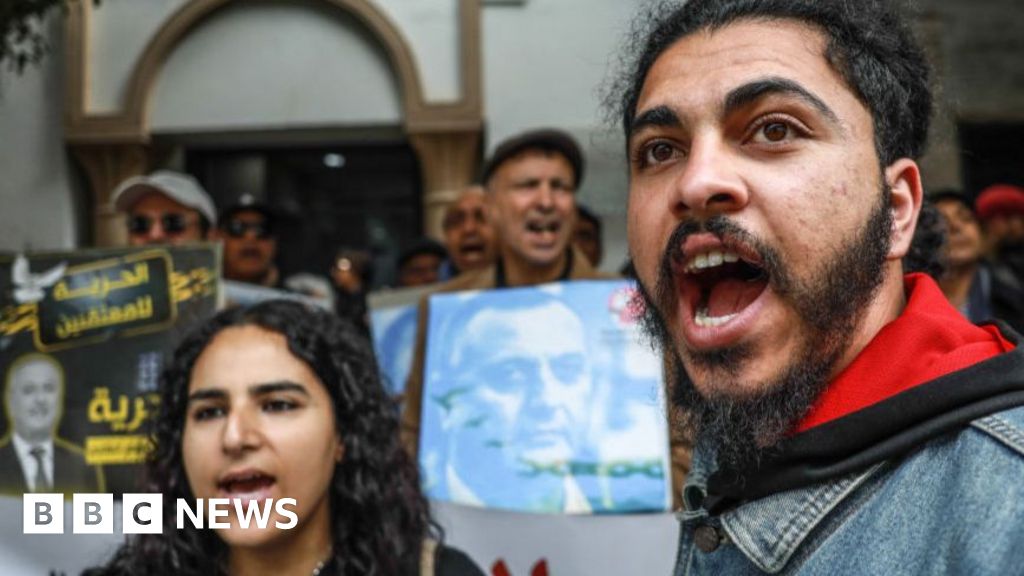
A aggregate trial of round 40 chief opposition figures started in Tunisia on Tuesday, in a case that legal professionals, kinfolk and rights teams say is politically progressive.
Diplomats, politicians, legal professionals, and newshounds who’re vital of President Kaïs Saïed are a number of the defendants.
They might face the demise penalty if discovered to blame of fees which come with “plotting against state security” and “belonging to a terrorist group”.
Human Rights Guard has labelled it a “mockery of a trial” in response to “abusive charges”, time the UN just lately prompt Tunisian government to finish “all forms of persecution of political opponents”.
The rustic’s overseas ministry mentioned it learn the UN’s observation with “astonishment” and criticised what it mentioned have been “inaccuracies”, and added that “Tunisia can give lessons to those who think they are in a position to make statements”.
Campaigners say the trial highlights Saïed’s authoritarian keep watch over over the judiciary, next dissolving parliament in 2021 and ruling by way of decree.
Since he used to be first elected six years in the past, the previous regulation schoolteacher has rewritten the charter to give a boost to his powers.
Because the trial started on Tuesday, defence legal professionals complained that they weren’t granted get admission to to the whole case report.
“You can put an end to this madness and absurdity,” attorney Abdelaziz Essid informed judges in courtroom.
Amongst the ones on trial are ex-presidential prominent of group of workers Nadia Akacha, the previous chief of the Ennahda opposition birthday celebration Abdelhamid Jelassi and Jaouhar Ben Mbarek, who used to be a high-profile critic of the president’s 2021 energy take hold of.
Probably the most defendants, together with Akacha, have been attempted in absentia having already fled the north African nation.
A few of the defendants are society who have been arrested two years in the past and detained ever since, with Saïed labelling them “terrorists”.
“It is one of the darkest injustices in Tunisia’s history,” mentioned the top of the Tunisian League for the Defence of Human Rights, Bassam Trifi.
Outraged Tunisian activists had been demonstrating out of doors the courtroom within the capital, Tunis.
A few of the banners they carried used to be the slogan: “No to remote trials, No to a judiciary that does not guarantee rights, freedom for political detainees”.
Backup reporting by way of Lipika Pelham