
 Dennis Osadebe
 Anne Okumu/BBC
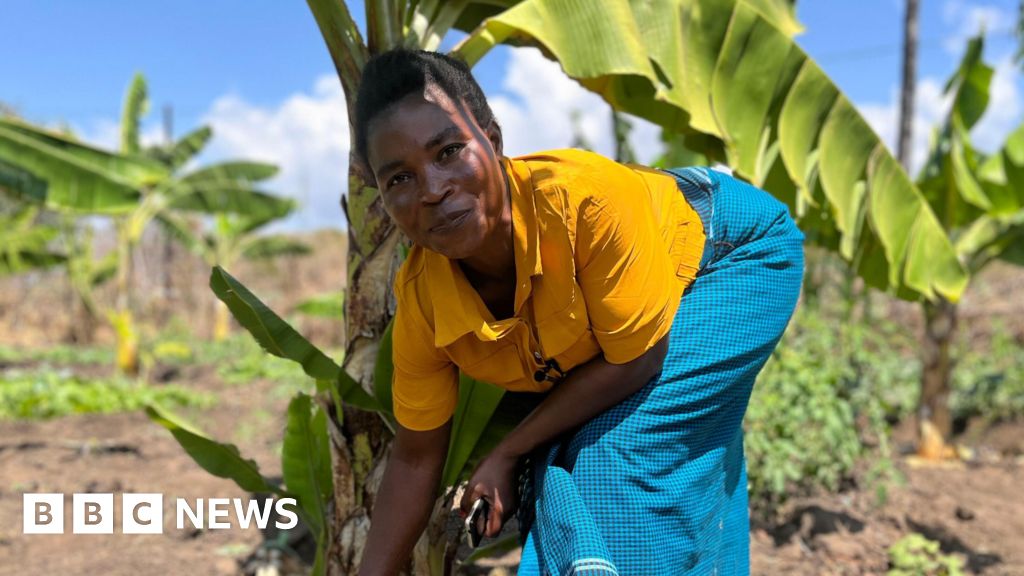
A small-scale farmer in northern Malawi, Emily Nkhana impaired to renounce over-ripe bananas or simply allow them to rot, however she has now discovered a winning usefulness for them – banana wine.
Terminating warmth was once inflicting bananas to ripen too briefly, for the purpose of bulky losses for Ms Nkhana and lots of alternative farmers who are living in Karonga district.
“Then we discovered how to make banana wine,” she tells the BBC, as she peels lemons that will be impaired to saving the style of bananas on the processing plant of Twitule Cooperative Workforce.
For the farmers, it’s not almost about making wine – but in addition survival, resilience, and embracing the brandnew probabilities that include a converting state.
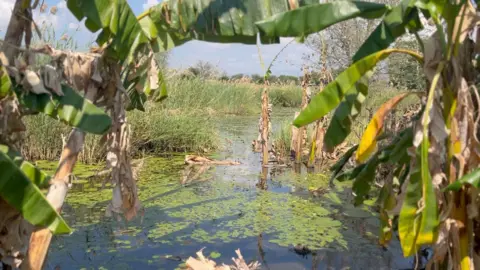
They impaired to farm nearest to the shores of Pool Malawi and their banana plantations have been being washed away via emerging H2O ranges because of higher raindrops, forcing them to exit to better however warmer disciplines, the place temperatures leap to 42C.
“Down at the old farm, our challenge was loads of water from the lake. Some of the bananas used to drown in water. Some, you couldn’t even see where we planted.

 Anne Okumu/BBC
“Up here, we have way too much heat. It makes our bananas ripen very fast and go to waste,” Ms Nkhana says.
She is a part of a bunch of girls who’ve come in combination on the cooperative to enhance their financial statuses thru farming.
Wine manufacturing is a small-scale project within the ladies’s backyards, the place they plant banana vegetation.
The wine-making procedure occurs in a little compound with a four-roomed space within the village of Mchenjere.
The method is inconspicuous: the overripe bananas are peeled, decrease into little items, weighed, and blended with sugar, yeast, raisins, H2O and lined with lemons.
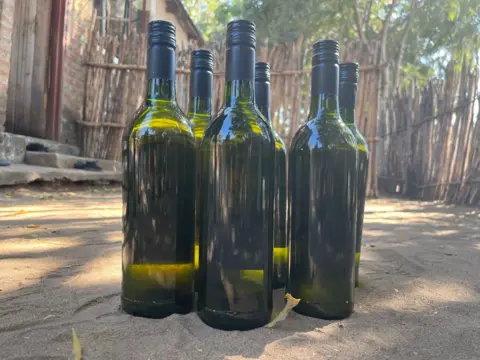
The combination is later left to ferment for a number of weeks, remodeling the banana pulp right into a potent, fragrant wine, containing 13% alcohol – indistinguishable to wine made out of grapes.
“It’s very good quality wine. You have to drink it while seated so you can enjoy the sweet flavour,” Ms Nkhana says.
 Anne Okumu/BBC
Banana wine would possibly tone bizarre to these conversant in the flavours of conventional wine, however for individuals who have tasted it, the enjoy is anything else however disappointing.
The wine, which will area in color from faded yellow to a lavish amber, has a fairly candy, fruity style, incessantly accompanied via a shrewd aroma and a brightness lemon and banana flavour.
“It’s smooth and light, almost like a dessert wine,” says Paul Kamwendo, an area wine fanatic who has grow to be some of the largest enthusiasts of banana wine in Karonga.
“I had no idea one could make wine out of bananas.”
For Ms Nkhana and her colleagues, the important thing to a just right banana wine lies within the stability of sweetness and acidity.
“Timing is everything,” she says. “You have to know when the bananas are at their best. Too ripe, and the wine becomes too sweet; too green, and it’s too tart.”
 Anne Okumu/BBC
The get up of banana wine in Malawi has been met with zest from each manufacturers and shoppers.
At native markets, bottles of banana wine, which promote for $3 (£2.30), are actually a ordinary vision, with distributors desperate to show off their fresh creations.
“We sell them at markets across Malawi, in the capital Lilongwe and in the biggest city Blantyre and it is always sold out,” says Tennyson Gondwe, the important government of Family Financial savings and Funding Promotion (Comsip), a cooperative that has educated the ladies in wine manufacturing to safeguard trait and style.
Ms Nkhana says that making wine, in lieu than simply promoting uncooked bananas which incessantly move to misuse, has reworked her moment, and the ones of the alternative ladies.
“Some of us built houses, some have livestock and some have chickens. We can afford to eat decent meals.”
The Twitule co-operative produces between 20-50 litres of wine a future and is hoping to shop for machines to aid them amplify.
“We want to produce more wine. We want to move from this small production house house to a factory,” Ms Nkhana says.
And the crowd has even larger plans – Comsip has requested the Malawi Bureau of Requirements to approve it for export.
“People are curious,” Ms Nkhana says, smiling as she stirs the wine combination, getting ready it for fermentation.
“They want to know what it tastes like. And when they try it, they’re surprised by how good it is.”













