
 Dennis Osadebe
 Getty Photographs
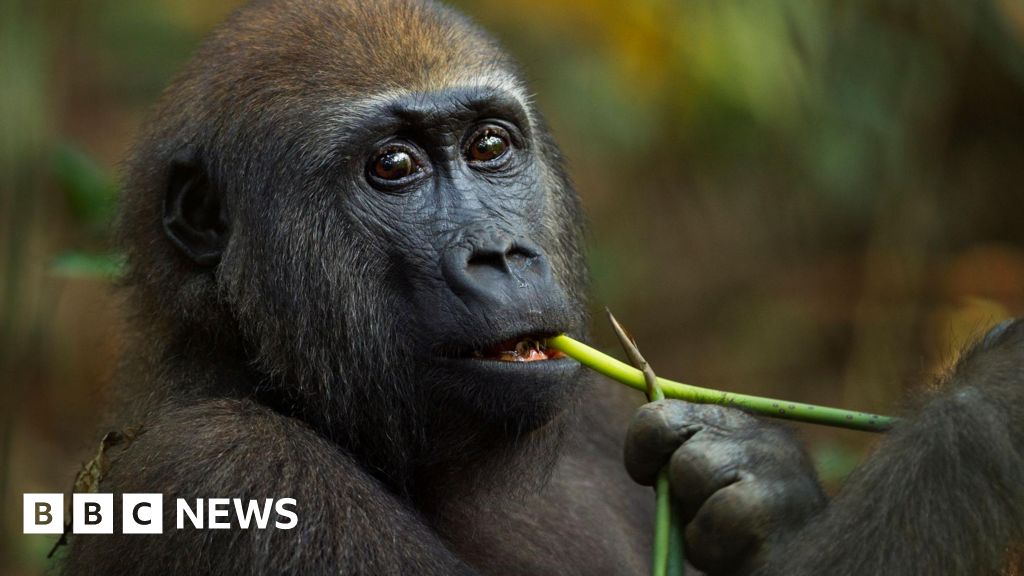
Self-medicating gorillas would possibly book clues to moment drug discovery, consistent with scientists.
Researchers in Gabon studied tropical crops eaten through wild gorillas – and impaired additionally through native human healers – figuring out 4 with medicinal results.
Laboratory research obvious the crops have been prime in antioxidants and antimicrobials.
One confirmed pledge in preventing superbugs.

 Getty Photographs
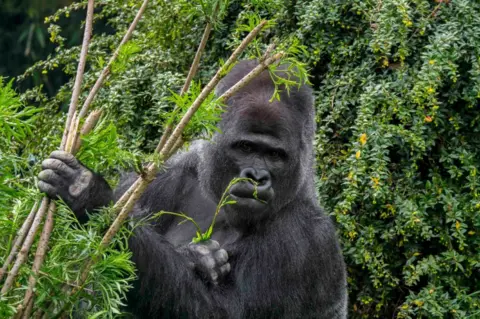
Stunning apes are identified to self-medicate through deciding on crops with cure homes.
A wounded orangutan lately made headlines for the usage of a plant paste to heal an shock.
Within the untouched find out about, botanists recorded the crops eaten through western lowland gorillas in Gabon’s Moukalaba-Doudou Nationwide Ground.
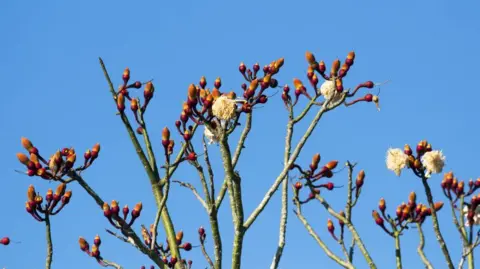
They chose 4 bushes that have been prone to be recommended, in response to interviews with native healers: the fromager tree (Ceiba pentandra), gigantic yellow mulberry (Myrianthus arboreus), African teak (Milicia excelsa) and fig bushes (Ficus).
The bark of the bushes – impaired in conventional medication to regard the whole thing from abdomen lawsuits to infertility – contained chemical compounds with medicinal results, from phenols to flavonoids.
 Getty Photographs
All 4 crops confirmed antibacterial task towards a minimum of one multidrug-resistant pressure of the trojan horse, E. coli.
The fromager tree particularly confirmed “remarkable activity” towards all examined traces, they are saying.
“This suggests that gorillas evolved to eat plants that benefit them, and highlights the huge gaps in our knowledge of the Central African rainforests,” mentioned Dr Joanna Setchell, an anthropologist on the College of Durham, UK, who labored at the find out about with Gabonese scientists.
 Getty Photographs
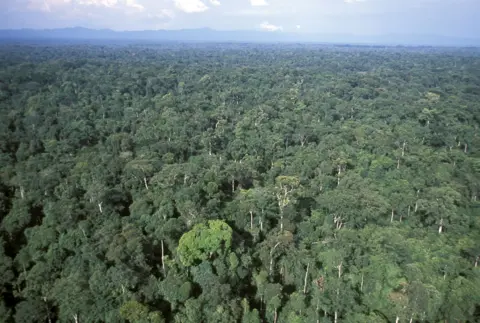
Gabon has giant unexplored woodlands, which might be house to woodland elephants, chimpanzees and gorillas, in addition to many crops unknown to science.
Poaching and sickness have resulted in a plethora selection of western lowland gorillas disappearing within the wild.
They’re classed as severely endangered at the Global Union for Conservation of Nature’s Purple Record.
The analysis is revealed within the magazine PLOS ONE.













