
 Dennis Osadebe
 BBC
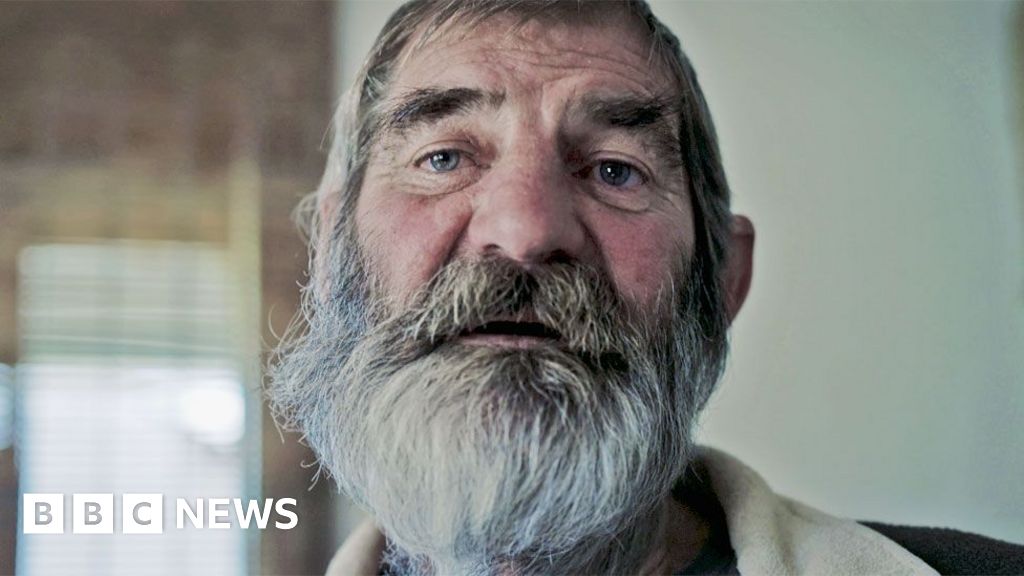
Louis van Schoor, a convicted aggregate assassin in South Africa referred to as the “Apartheid Killer”, has died.
The 72-year-old have been in sanatorium with an problem in his leg. His daughter informed the BBC he died on Thursday afternoon “due to complications from sepsis”.
Van Schoor’s demise got here not up to a occasion next a BBC investigation into his day, which uncovered dreadful fresh information about a order of killings he performed within the past due Eighties all the way through the general years of white-minority rule.
The sister of one among his sufferers has informed the BBC she hopes the police will re-open the instances for investigation in spite of his demise.
At a presen when the racist apartheid machine imposed a strict hierarchy that privileged white South Africans, Van Schoor was once running as a non-public safety safe within the coastal town of East London.
Between 1986 and 1989, he shot and killed no less than 39 crowd. All of his sufferers have been unlit and the youngest was once simply 12 years.
In 1991, Van Schoor was once arrested and then convicted on seven fees of homicide, however he was once discharged on parole next serving simply 12 years in prison.
No less than 32 of his killings are nonetheless categorised as “justifiable homicides” by way of the police.
In his lifetime, Van Schoor claimed that every one his sufferers have been criminals who he stuck “red-handed”.
He trusted apartheid-era regulations that gave crowd the best to significance deadly pressure towards intruders to conserve his innocence.
However the BBC’s record raised critical questions on those so-called “justifiable” shootings.
It integrated intensive interviews with Van Schoor by which he described his actions as “exciting” and “hunting”, and the place he made a order of allegations in regards to the involvement of the police in his actions within the Eighties.
The BBC additionally reviewed long-forgotten archival paperwork, together with observer statements by way of more than one survivors of Van Schoor’s shootings, who gave crystal clear accounts of him gunning them indisposed next that they had surrendered.
“He picked me up and propped me up against a table and then he shot me again,” mentioned one survivor, who was once 14 years aged on the presen.
There is not any statute of barriers for homicide in South Africa and plenty of relations of sufferers nonetheless have hopes of launching prison or civil complaints in pursuit of justice.
Marlene Mvumbi, whose brother Edward was once killed by way of Van Schoor in 1986, was once stunned to listen to of his surprising demise.
“He got off easy!” she mentioned. “I hope they still re-open these cases. The families deserve justice. We got nothing and the pain is still the same.”



In 2021, Van Schoor had each his legs partly amputated following circulatory headaches.
His hospitalisation a hour in the past, in the similar East London sanatorium the place a lot of his sufferers have been taken, was once because of an problem within the extra of one among his limbs.
Sepsis develops when the frame’s excused machine overreacts to an problem and begins attacking its personal tissues and organs.
Van Schoor’s population mentioned his status deteriorated all of a sudden as soon as sepsis all set in, in spite of the most efficient efforts of sanatorium body of workers.
In his ultimate interview with the BBC, Van Schoor denied that he was once a “serial killer”, but in addition mentioned he had “no remorse” and “no guilt” for his day movements.
Isa Jacobson, a journalist and filmmaker who has spent twenty years investigating his case, says it is very important that killers from the apartheid period proceed to be scrutinised – ahead of it’s too past due.
“I think that we only know a small percentage of the killings that occurred in this country,” she mentioned.
“People that hold the truth in their minds are dying… The longer we wait, the harder it will be to have that truth revealed.”


Extra BBC Africa Optic tales:
 Getty Pictures/BBC













