 Dennis Osadebe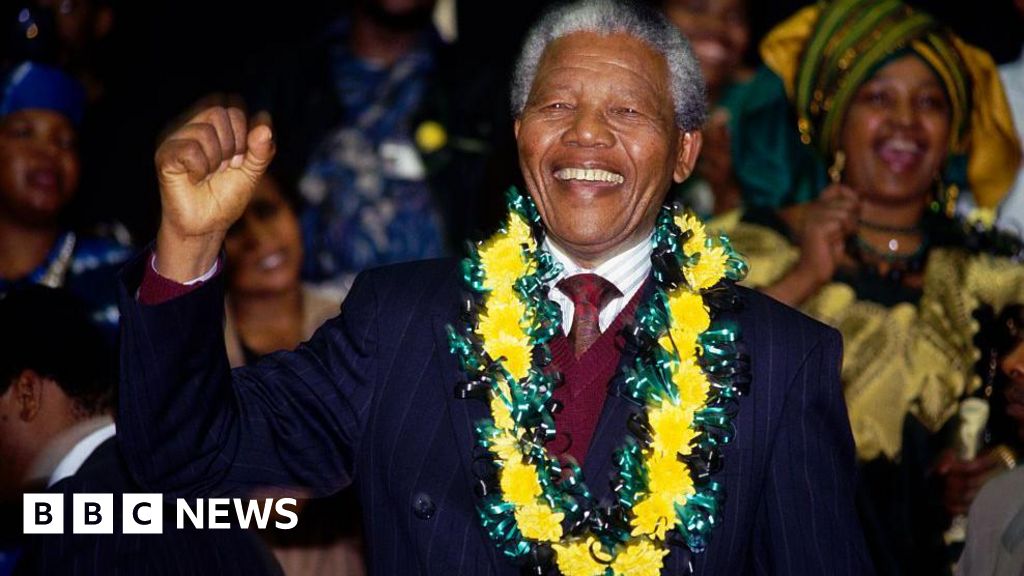
1 pace in the past
Via Danai Nesta Kupemba, BBC Information
 Getty Pictures
Africa’s oldest liberation motion is in bother and is also going the best way of related teams around the continent.
The African Nationwide Congress (ANC) – based in South Africa greater than a century in the past – has misplaced its majority in parliament for the primary week in 30 years, even if it left-overs via a long way the rustic’s maximum usual birthday celebration.
Now not, it sort of feels, had been immense numbers of electorate reflexively keen to offer the birthday celebration of Nelson Mandela their assistance as it had top the attempt in opposition to the racist apartheid gadget.
This mirrors the abatement of alternative events that battled colonial rule and made it to energy, that have therefore fallen prey to corruption, cronyism and a disgruntled family hungry for exchange.
A few of the ones liberation actions which stay in energy in southern Africa are accused of best doing so via stealing elections.
“It is inevitable that people will start to want change,” stated researcher David Soler Crespo, who has written in regards to the “slow death of liberation movements”.
“It’s impossible for the same party to be democratically elected for 100 years.”
Alternatively, they have got controlled to impose a robust fondle, now not best at the equipment of energy, but additionally at the psyche of the society.
Because the a success actions transitioned from the bush to the place of work, they touted themselves as the one ones that would top.
They ingrained the motion into the DNA of the rustic, making it tough to isolated the birthday celebration from the atmosphere.
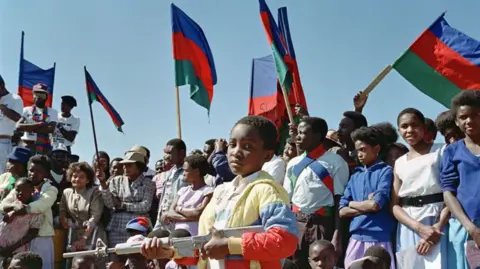
In Namibia, the word “Swapo is the nation, and the nation is Swapo” impaired right through its attempt in opposition to apartheid South African rule, left-overs potent.

 AFP
AFPHaving a look around the pocket, civil servants and executive appointees, particularly within the safety forces and state-controlled media had been frequently former guerrilla warring parties, who could have put commitment to the birthday celebration prior to the society.
“There is no line between state and party. It’s more than a party, it’s a system,” said Mr Crespo.
And the legacy of liberation is deeply embedded in the region’s culture, with stories of struggle shared across family dinner tables and national media continually reminding citizens of their hard-won freedom.
Liberation songs and war cries are sung in high schools, even at sports matches.
For citizens to move away from the liberation party is a big psychological wrench. But over time it does happen.
“People are no longer influenced by history when they vote,” Namibian social scientist Ndumba Kamwanyah told the BBC, reflecting on the declining support for Swapo, which has been in power since 1990.
Many of the parties espoused socialist ideologies, but these have often fallen by the wayside over time and people have questioned whether citizens are benefitting equally.
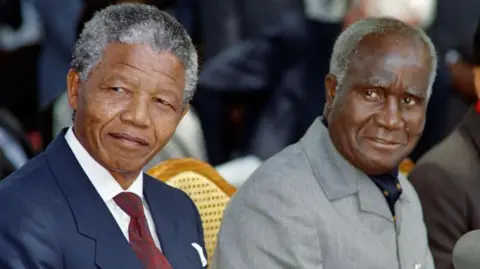
One of the first independence movements in southern Africa to feel this disdain for history was Zambia’s United National Independence Party (Unip), which came into power in 1964 as British rule ended.
Throughout most of the 1970s and 1980s it governed the country as the sole legal party, with founding father Kenneth Kaunda at the helm. But discontent grew and in 1990 there were deadly protests in the capital, Lusaka, and a coup attempt.
The following year, the first multi-party elections for more than two decades saw President Kaunda lose out to Frederick Chiluba. Unip, once all-powerful, has now all but disappeared.
Liberation movements in Angola, Mozambique, Namibia and Zimbabwe remain in power but have all experienced a decline in support and vote share in general elections.
 AFP
AFPIn Namibia, 2019 marked a watershed for Swapo as it lost its two-thirds parliamentary majority.
In the presidential election, Hage Geingob also suffered a sobering decline in popularity as his share of the vote dropped from 87% in 2014 to 56%.
The following year, Swapo suffered historic losses in regional and local elections.
Prof Kamwanyah, who campaigned for the party more than 30 years ago, says he maintains a deep respect for what the liberation government achieved in the past, but he is disappointed with the present reality.
“What the birthday celebration is doing doesn’t replicate the core untouched values of why folk died for this nation,” the Namibian instructional stated.
Namibia will stock its normal election in November and there may be some hypothesis that it would endure the similar destiny because the ANC.
“I think Swapo will win, but they will not get a majority,” Prof Kamwanyah stated.
Ndiilokelwa Nthengwe, a 26-year-old Namibian activist, says there was a generational shift.
“Our generation’s values don’t align with the government,” she informed the BBC.
Ms Nthengwe has been at the vanguard of many social actions within the nation.
Younger folk worth sexual and gender equality, she says, along side jobs and higher healthcare.
“All the youth want is change, change, and more change.”
 AFP
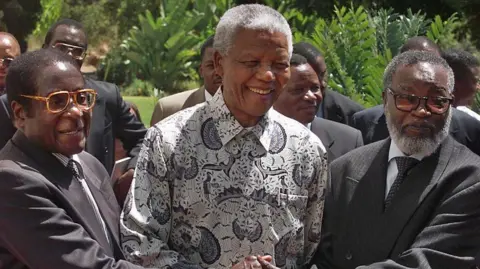
AFPHowever while Namibia, along side South Africa, are revealed as quite unhidden democracies, the governing events in Zimbabwe, Angola and Mozambique had been accused of shutting ailing dissent to deliver to uphold their stock on energy.
Election rigging, suppressing opposition events and voter intimidation had been amongst their alleged techniques.
Adriano Nuvunga, chairperson of the Southern Defenders Witness Undertaking, has witnessed elections in Mozambique for the latter 20 years.
“All of the elections I’ve observed since 1999 were fraudulent,” stated Mr Nuvunga.
He says he additionally noticed voter intimidation and poll tampering.
In Zimbabwe in 2008 Amnesty Global documented illegal killings, torture and alternative ill-treatment of opposition supporters between the primary spherical and 2d spherical of the presidential vote. In reality maximum of Zimbabwe’s elections had been marred via allegations of tampering or intimidation of the opposition, even if that is at all times denied via the ruling birthday celebration, Zanu-PF.
Following the 2022 elections in Angola, hundreds of folk took to the streets to protest in opposition to alleged electoral fraud.
The longer the liberation actions have stayed in energy, the extra they’re accused of corruption and cronyism and now not governing within the pursuits of the folk.
Chris Hani, the past due South African anti-apartheid hero, foresaw this when he stated: “What I fear is that the liberators emerge as elitists who drive around in Mercedes Benzes and use the resources of this country to live in palaces and gather riches.”
However one former Zimbabwean liberation fighter, who requested to stay nameless, informed the BBC that most of the actions had now not had enough quantity week to come back to grips with the sector line.
He identified that Europe persisted authoritarian monarchies ruling for hundreds of years and they have got had week to be told and adapt.
“Liberation governments are still playing catch-up in a world that wasn’t designed for them,” he stated.
Overthrowing colonial and white-minority rule was once hardened, however governing has introduced alternative demanding situations.
Eminent a modern motion calls for a single-mindedness and strict commitment, generation working a rustic wishes higher flexibility, collaboration and the power to stability the pursuits of various divisions of the family.
Some actions have fallen cut in this. They usually would possibly not have a lot week left.
However Mr Crespo maintains that if those events reclaim the beliefs that introduced them into executive, concentrate to the adolescence and to find themselves once more, they can stock on a negligible longer.

 Getty Pictures/BBC