 Dennis Osadebe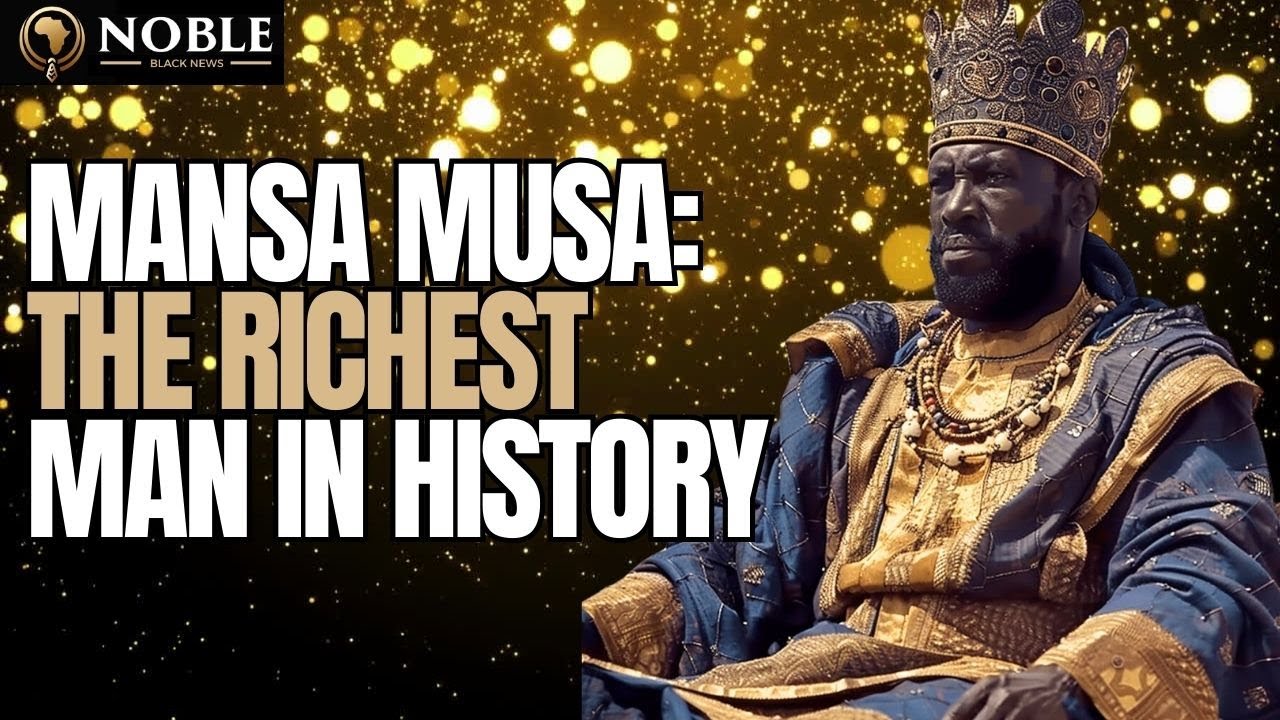
The story of Mansa Musa, the 14th-century emperor of the Mali Empire, is one of extraordinary wealth and remarkable legacy. Often regarded as the wealthiest individual in history, Mansa Musa’s reign brought unprecedented prosperity and cultural advancement to his empire. His journey from a relatively obscure prince to a legendary ruler is a tale that continues to fascinate historians and economists alike.
Early Life and Rise to Power
Mansa Musa’s Ascension
Mansa Musa, whose full name was Musa Keita I, ascended to the throne under unique circumstances. Born into the Keita dynasty, he became the emperor of Mali after his predecessor, Abu-Bakr II, embarked on a mysterious and ambitious expedition across the Atlantic Ocean. Abu-Bakr II’s departure left the throne vacant, paving the way for Musa to rise to power.
The Mali Empire Before Mansa Musa
Before Mansa Musa’s reign, the Mali Empire was already a significant regional power, known for its wealth and strategic position in the trans-Saharan trade routes. The empire was founded by Sundiata Keita and had grown through conquests and the establishment of trade networks that connected West Africa to Europe and the Middle East.
Economic Foundations of Mansa Musa’s Wealth
The Gold and Salt Trade
The wealth of the Mali Empire, and by extension Mansa Musa, was primarily based on the region’s abundant natural resources. Mali was one of the world’s largest gold producers, and the empire also controlled vast salt mines. These commodities were highly sought after in the ancient world, fueling the empire’s economy.
Trans-Saharan Trade Routes
Mali’s strategic location along the trans-Saharan trade routes facilitated the flow of goods, people, and culture. Caravans transported gold, salt, ivory, and slaves across the Sahara, connecting West Africa with North Africa, Europe, and the Middle East. This trade network was a crucial source of wealth for the Mali Empire.
Mansa Musa’s Reign
Administrative Innovations
During his reign, Mansa Musa implemented several administrative reforms that strengthened the central authority of the Mali Empire. He established a bureaucratic system with governors overseeing various provinces, ensuring efficient governance and the collection of taxes.
Military Strategies and Conquests
Mansa Musa also bolstered the empire’s military capabilities. His armies expanded Mali’s territory, securing trade routes and protecting the empire from external threats. These conquests further increased the empire’s wealth and influence.
The Legendary Pilgrimage to Mecca
Preparation and Planning
One of the most notable events of Mansa Musa’s reign was his pilgrimage to Mecca in 1324. This journey, known as the Hajj, was a demonstration of his piety and immense wealth. The preparations for this journey were meticulous, involving a massive entourage and an extravagant display of wealth.
Journey Through Cairo
Mansa Musa’s caravan included 60,000 men, 12,000 slaves carrying gold bars, and 80 camels laden with gold dust. When the caravan reached Cairo, the emperor’s generosity and spending reportedly caused a significant devaluation of gold in the city. This event left a lasting impression on the regions he passed through and cemented his reputation as the richest man in history.
Impact on the Islamic World
Mansa Musa’s pilgrimage had profound implications for the Islamic world. His generosity to the poor, patronage of mosques, and distribution of gold along the way showcased the wealth and sophistication of the Mali Empire. It also established diplomatic and economic ties with other Muslim states.
Cultural and Educational Contributions
Establishment of Learning Centers
Mansa Musa was a devout Muslim and used his wealth to promote education and Islamic culture. He established numerous madrasas (Islamic schools) and libraries, which attracted scholars from across the Islamic world to his empire.
The emperor’s investments in education led to the collection of thousands of manuscripts, many of which were housed in the libraries of Timbuktu. These texts covered a wide range of subjects, including astronomy, mathematics, law, and theology, making Timbuktu a renowned center of learning.
.
Mansa Musa brought architects from Andalusia and Cairo to design and construct these buildings. Their influence is evident in the distinctive architectural styles that blended local and Islamic elements, many of which still stand today as testaments to the empire’s former glory.
#NobleBlackNews #MansaMusa #RichestManInHistory #MaliEmpire #AfricanHistory #WealthAndLegacy #PilgrimageToMecca #Timbuktu #EducationalContributions #ArchitecturalLegacy #historicalfigures
Mansa Musa’s Birth c. 1280
Ascension to the Throne 1312
Pilgrimage to Mecca (Hajj) 1324-1325
Height of the Mali Empire 14th Century
Construction of Djinguereber Mosque 1327
University of Sankore at Timbuktu Flourishes 14th Century
Death of Mansa Musa c. 1337
0:00 – Introduction
2:00 – Mansa Musa
3:00 – The Richest
source